
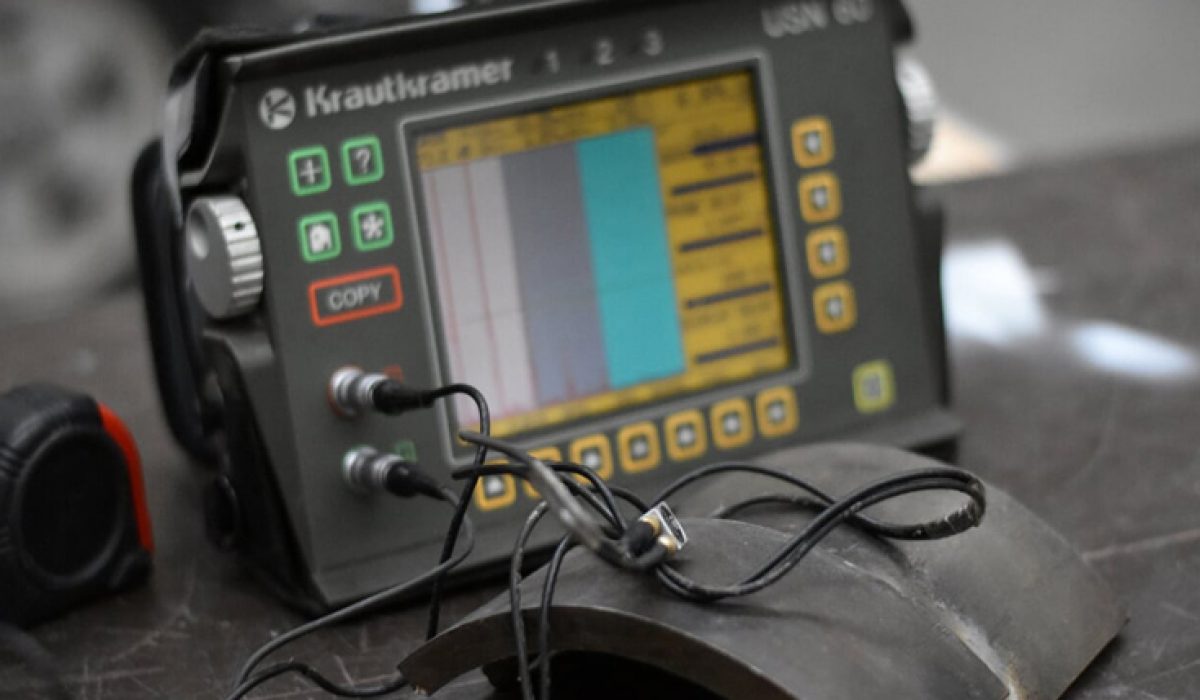
In today’s industrial landscape, safety, reliability, and operational efficiency are top priorities—especially across marine, offshore, and heavy engineering sectors. Automotive ultrasonics, combined with advanced corrosion mapping and ultrasonic thickness measurement surveys, has become a critical set of tools for ensuring structural health and preventing catastrophic failures.
Modern automotive ultrasonics uses high-frequency sound waves to evaluate materials without damaging them. Technologies once developed for automotive manufacturing have now evolved into powerful inspection solutions for offshore and onshore industries. These systems allow inspectors to detect minute changes in thickness, locate hidden corrosion, assess weld quality, and map degradation across large structures with exceptional precision.
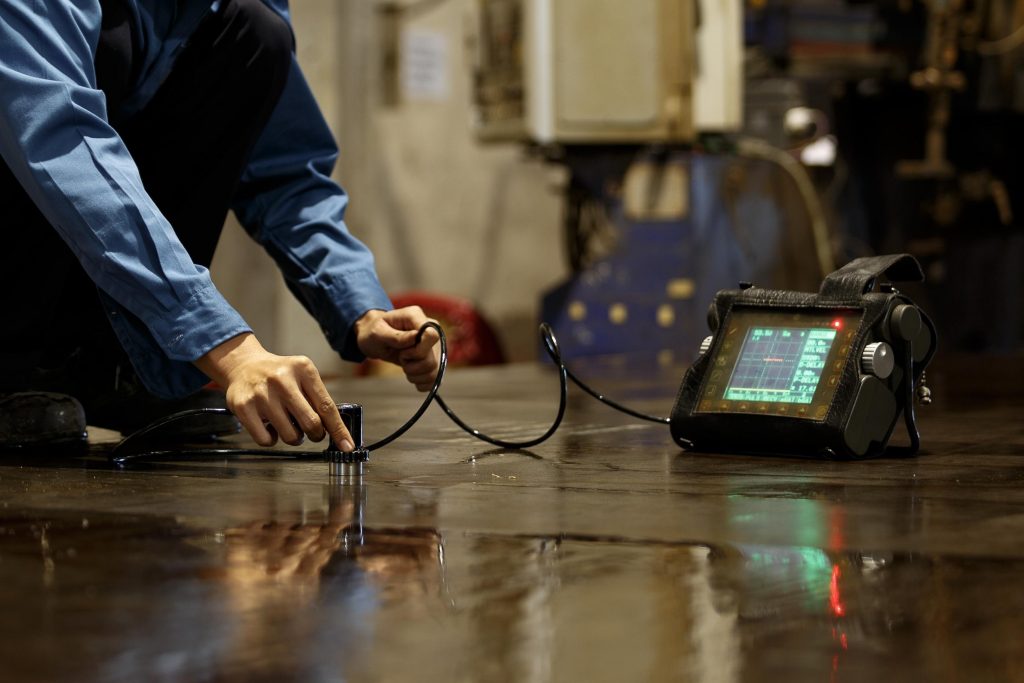
Corrosion mapping is particularly essential in environments exposed to harsh weather, saltwater, or chemical processes—such as oil rigs, drill ships, badges, offshore platforms, and storage tanks. Instead of relying on spot-checks, corrosion mapping provides a full visual representation of wall-thickness loss, enabling maintenance teams to identify high-risk zones and plan repairs proactively.
Alongside corrosion mapping, ultrasonic thickness measurement surveys remain a cornerstone of asset integrity programs. These surveys offer accurate data on metal loss, structural integrity, and compliance with Classification Society rules. Regular thickness surveys prevent unexpected equipment failures and ensure that critical assets—such as drilling equipment, subsea structures, and mobile units—remain safe for operation.
Marine and offshore operations also require specialized services such as Anchor & Chain calibration. Anchor chains undergo tremendous loads and constant exposure to corrosive seawater, making precise calibration essential. Ultrasonic and mechanical testing help determine wear, elongation, and structural fatigue, ensuring that anchoring systems perform reliably under extreme conditions.
To comply with industry regulations, companies must undergo Periodic and Special Surveys for offshore and onshore mobile units. Classification Societies such as DNV, ABS, LR, and BV establish strict requirements for structural safety, drilling equipment, and vessel integrity. These surveys include ultrasonic testing, corrosion mapping, thickness measurement, and equipment assessment to ensure that assets remain seaworthy, safe, and operational.

As industries shift toward greener solutions, the demand for Solar & Renewable Energy Inspection and NDT is also rising. Ultrasonics plays a key role in inspecting wind turbine blades, solar mounting structures, battery enclosures, and renewable infrastructure components. Detecting cracks, delamination, or corrosion early ensures long-term performance and safety.
In an era where downtime is costly and safety is non-negotiable, automotive ultrasonics and NDT innovations are paving the way for smarter, data-driven asset management. Whether it’s mapping corrosion, measuring thickness, calibrating anchor chains, or certifying offshore assets, these technologies provide organizations with the insights needed to operate safely, efficiently, and sustainably.