
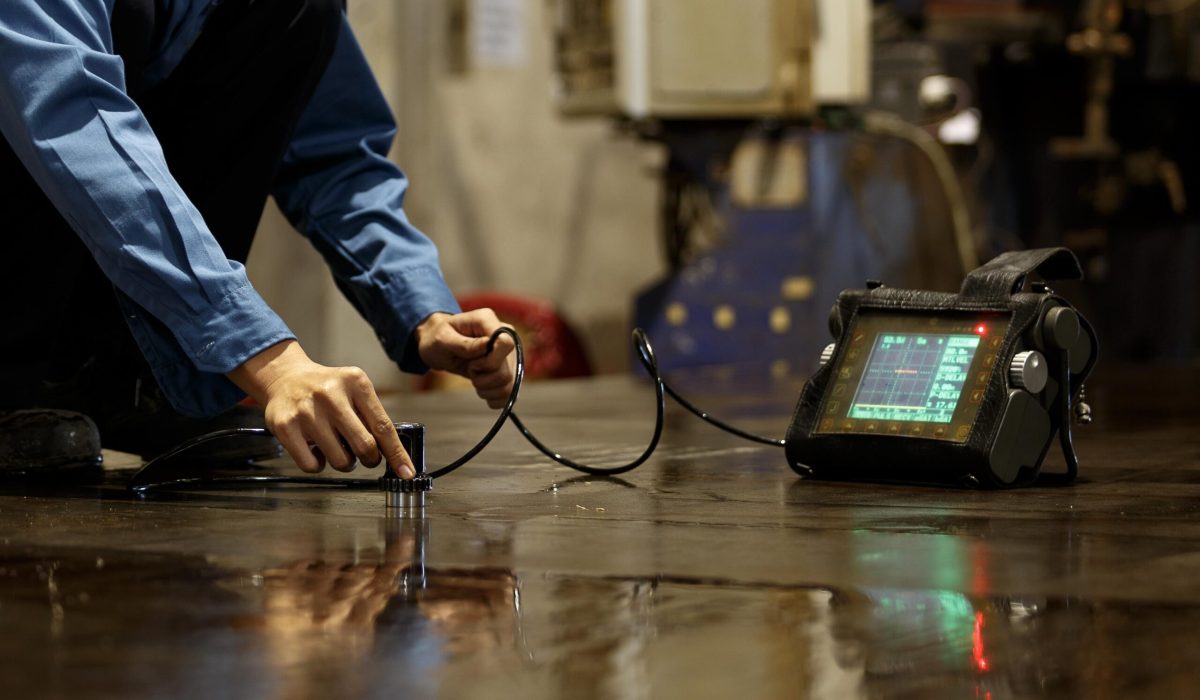
The industrial world is rapidly transforming, with growing expectations for safety, compliance, and sustainability. Non-Destructive Testing (NDT) has become an indispensable part of this evolution, particularly through applications like automotive ultrasonics, corrosion mapping, ultrasonic thickness measurement surveys, and advanced inspections across marine, offshore, and renewable energy sectors.
At the core of modern inspection technology is automotive ultrasonics, known for its precision and ability to detect internal flaws without affecting the integrity of the component. This technology, once predominantly used in automotive production lines, is now extensively applied across offshore platforms, drill ships, oil rigs, and structural assets. Inspectors rely on ultrasonics to detect cracks, corrosion, erosion, and weld defects with high accuracy.
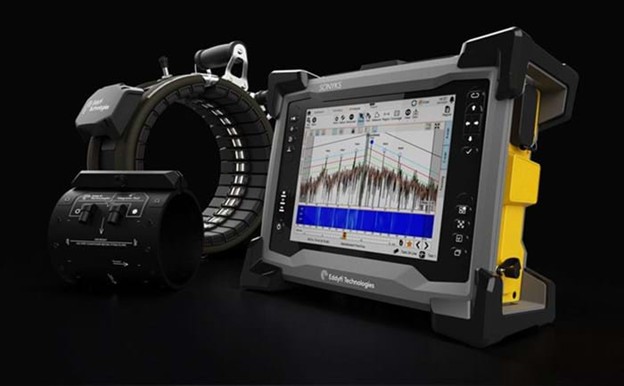
One of the most valuable applications is corrosion mapping. Instead of relying on isolated inspection points, corrosion mapping provides a detailed image of thickness variations across an entire surface. This is crucial for aging infrastructure, pipelines, rigs, and marine vessels that endure constant exposure to corrosive environments. With data-driven corrosion profiles, companies can prioritize repairs, plan shutdowns, and optimize maintenance budgets.
Complementing corrosion mapping are ultrasonic thickness measurement surveys, which deliver precise readings of material thickness. These surveys are vital for structural audits, safety assessments, and compliance with global Classification Society rules. They ensure that critical structures—from drilling equipment to offshore platforms—maintain their strength and reliability over time.
A specialized area within marine operations is Anchor & Chain calibration. Anchor chains undergo repetitive loading cycles, seabed abrasion, and environmental wear. Accurate calibration ensures that chain links maintain uniform strength and can withstand extreme conditions during anchoring operations. Ultrasonic techniques help identify elongation, wear depth, and hidden flaws that visual inspection might miss.
To maintain global compliance, offshore and onshore facilities must undergo Periodic and Special Surveys as mandated by Classification Societies. These comprehensive evaluations include structural inspections, drilling equipment assessments, ultrasonic testing, corrosion analysis, and verification of safety-critical components. Meeting these requirements ensures operational approval, insurance eligibility, and environmental safety.

With the world transitioning to cleaner energy, Solar & Renewable Energy Inspection and NDT services are increasingly important. Renewable infrastructure—such as solar farms, wind turbines, and battery systems—requires precise NDT to ensure reliability and efficiency. Ultrasonic scanning helps detect defects in wind turbine blades, corrosion in solar mounting structures, and flaws in power storage systems.
As industries advance, the integration of digital technologies—such as automated scanners, drones, and AI-based data interpretation—is shaping the future of NDT. From automotive ultrasonics to renewable energy inspections, these advancements provide faster, safer, and more accurate results than ever before.
In conclusion, the future of industrial safety and sustainability relies heavily on innovative NDT solutions. By incorporating corrosion mapping, ultrasonic thickness measurement surveys, anchor and chain calibration, and renewable energy inspection practices, organizations can ensure seamless operations, regulatory compliance, and long-term asset health.